
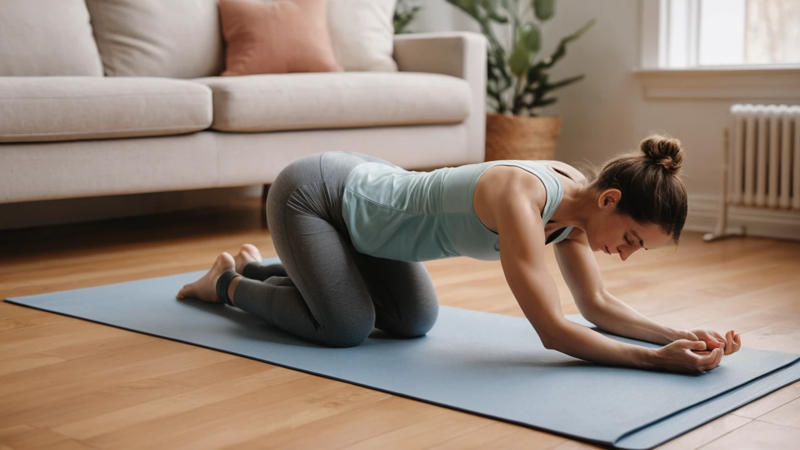
Postpartum workout plan safe for diastasis recti that helps you heal, rebuild core strength, and exercise with confidence after birth.
Postpartum workout plan safe for diastasis recti focuses on gentle core healing, smart movement, and steady strength building. The goal is to close the abdominal gap safely, protect the pelvic floor, and help new moms regain confidence without pain or setbacks.
Are You Afraid Exercise Might Make Diastasis Recti Worse? 🤍
If you’re newly postpartum, exercise can feel confusing. You want to feel strong again, but you don’t want to hurt your healing body. That fear is valid. The good news is this: the right workout plan actually helps diastasis recti heal.
A safe postpartum workout plan focuses on deep core muscles, breathing, and slow control. It avoids pressure-heavy moves that strain your abs. With patience and consistency, your core can reconnect and grow stronger again 💪.
What Diastasis Recti Really Means For Your Core 🧠
Diastasis recti happens when the abdominal muscles separate during pregnancy. This separation is common and affects most postpartum women. It does not mean your core is weak forever.
Your core is more than visible abs. It includes deep muscles that wrap around your torso like a corset. Healing happens when these muscles are trained gently and correctly.
Ignoring diastasis recti can lead to back pain and poor posture. But targeted movement helps restore stability and control. Healing is a process, not a race.
When It’s Safe To Start Working Out After Birth ⏱️
Most women can begin gentle movement within days after delivery. Walking and breathing exercises are usually safe early on. Always listen to your body and your healthcare provider.
Structured workouts often begin around six weeks postpartum. This timing allows tissues to heal naturally. If you had a C-section, recovery may take longer.
Starting slow prevents setbacks. Progress comes from consistency, not intensity. Healing workouts should leave you energized, not exhausted 😊.
Signs Your Workout Is Safe For Diastasis Recti ✅
A safe postpartum workout should feel controlled and pain-free. Your belly should stay flat, not bulge or dome outward. Breathing should feel natural, not forced.
If you notice pressure, leaking, or discomfort, stop. These are signs the core is overloaded. Modify the movement or return to breathing basics.
Safe workouts prioritize connection over calories. Strength comes from quality movement, not sweat alone.
Core Principles Of A Safe Postpartum Workout Plan 🌿
A healing workout plan follows a few simple rules. These rules protect your core and pelvic floor.
- Focus on breathing before movement
- Engage deep core muscles gently
- Avoid crunching or straining
- Move slowly and with control
Consistency matters more than duration. Even 10 minutes a day helps. Think of workouts as rehab, not punishment.
Best Breathing Techniques For Diastasis Recti 😮💨
Breathing is the foundation of core healing. Proper breathing activates deep abdominal muscles naturally. It also reduces pressure on the abdominal wall.
Diaphragmatic breathing is key. You inhale through the nose, expanding the ribs. Then exhale slowly while drawing the belly inward.
This breathing style supports healing during all exercises. It teaches your core to work as a unit again.
Simple Breathing Practice You Can Do Anywhere
| Breathing Focus | How It Helps | When To Practice |
| Rib Expansion | Activates deep core | Morning |
| Long Exhale | Reduces core pressure | During workouts |
| Belly Engagement | Supports muscle closure | Daily |
Pelvic Floor And Diastasis Recti Connection 🔗
Your pelvic floor and core work together. If one is weak, the other struggles. That’s why pelvic floor exercises are essential postpartum.
Gentle contractions help restore strength and control. These movements support posture and prevent leaking. They also improve core stability.
Avoid forceful squeezing. Subtle, controlled engagement is enough. Healing happens from awareness, not aggression.
Safe Core Exercises To Start With 🧘♀️
Early core exercises should feel almost too easy. That’s a good sign. These movements retrain muscle coordination.
Examples include heel slides, marches, and pelvic tilts. Each move focuses on control and breath. You should feel activation, not strain.
Progress slowly as strength improves. Master the basics before advancing. Your body will tell you when it’s ready.
Beginner Core Movements And Benefits
| Exercise | Primary Benefit | Difficulty |
| Heel Slides | Deep core control | Very Easy |
| Pelvic Tilts | Abdominal awareness | Easy |
| Bent-Knee March | Stability training | Moderate |
Postpartum Strength Training That’s Safe 🏋️♀️
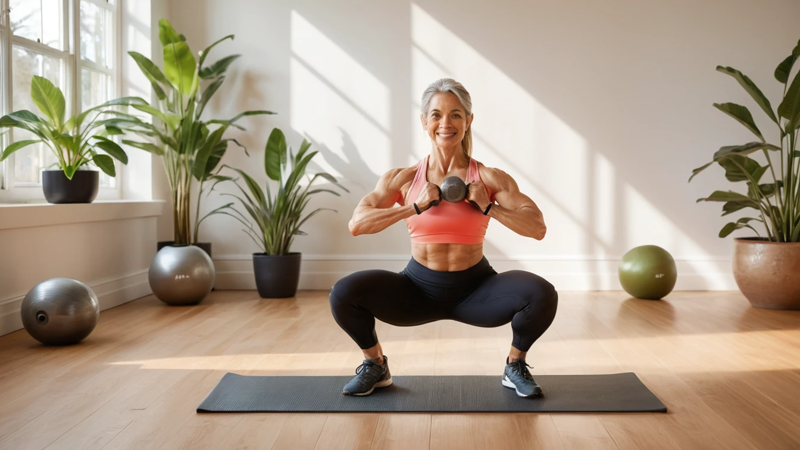
Strength training is safe when done correctly. It supports muscle tone and daily function. The key is choosing the right movements.
Focus on glutes, hips, and upper back. These muscles reduce strain on the core. Use light weights or bodyweight only.
Avoid holding your breath. Exhale during effort. This keeps pressure low and supports healing.
Cardio Exercises That Won’t Harm Your Core 🚶♀️
Cardio is great for energy and mood. Walking is one of the safest options postpartum. It improves circulation and endurance.
Low-impact options like cycling or swimming also work well. Avoid high-impact moves early on. Jumping increases abdominal pressure.
Short, frequent sessions are better than long workouts. Your body recovers faster this way 😊.
Exercises To Avoid With Diastasis Recti 🚫
Some popular exercises can slow healing. These movements increase pressure on the abdominal wall. Avoid them until your core is strong.
- Sit-ups and crunches
- Planks and push-ups (early stages)
- Russian twists
- Heavy lifting
Skipping these exercises protects your recovery. You’re not weak for avoiding them. You’re being smart.
How To Progress Your Workout Safely 📈
Progress happens in small steps. Increase difficulty only when exercises feel stable. No bulging or discomfort should appear.
You can add reps before adding resistance. You can slow movements for more control. Quality always beats quantity.
Healing timelines vary. Comparing yourself to others only slows progress. Trust your body’s pace.
Weekly Progression Guide For New Moms
| Week Range | Focus | Goal |
| Weeks 1–4 | Breathing & awareness | Core reconnection |
| Weeks 5–8 | Light strength | Stability |
| Weeks 9–12 | Controlled progression | Functional strength |
How Often Should You Work Out Postpartum? 🗓️
Consistency matters more than frequency. Three to five short sessions per week work well. Even 15 minutes counts.
Rest days are part of healing. Muscles rebuild during rest. Pushing daily can slow recovery.
Listen to energy levels. Some days movement feels great. Other days, rest is the workout ❤️.
Nutrition Tips That Support Core Healing 🥗
Exercise alone won’t heal diastasis recti. Nutrition plays a big role. Your body needs fuel to repair tissue.
Focus on protein, healthy fats, and hydration. These support muscle repair and hormone balance. Avoid restrictive diets early postpartum.
Eating enough helps energy and recovery. Healing requires nourishment, not deprivation.
Common Mistakes That Delay Healing ⚠️
Many women rush the process. This often leads to frustration. Healing takes time and patience.
Ignoring breathing is a big mistake. Another is copying pre-pregnancy workouts too soon. Your body is different now.
Slow progress is still progress. Every mindful movement helps your core reconnect.
How To Know Your Core Is Getting Stronger 🌟
Signs of progress are subtle at first. You may notice better posture. Back pain may decrease.
Daily tasks feel easier. You feel more control during movement. The abdominal gap may slowly reduce.
Celebrate these wins. Healing isn’t just visual. Strength shows up in how you feel.
Conclusion: Healing First, Strength Forever 💖
A postpartum workout plan safe for diastasis recti is about rebuilding from the inside out. Gentle movement, proper breathing, and patience create real results. Avoid rushing and honor your body’s healing timeline. With consistency, your core can feel strong, stable, and confident again.
FAQs
Can I heal diastasis recti with exercise alone?
Exercise helps a lot, but consistency matters. Breathing and daily posture also play a role. Severe cases may need professional guidance.
When can I do planks after diastasis recti?
Planks come later in recovery. Start only when your core shows control. There should be no bulging or pain.
Is walking enough for postpartum recovery?
Walking is excellent early on. It improves circulation and energy. Core-specific exercises should still be added.
How long does diastasis recti healing take?
Healing timelines vary. Many women see improvement in 3–6 months. Consistency speeds results.
Can diastasis recti come back later?
Yes, if core pressure isn’t managed. Proper lifting and exercise habits help prevent recurrence.






Leave a Reply