

Best exercises for pelvic floor strength postpartum to rebuild core, reduce leaks, and heal faster with simple, safe daily routines.
Best exercises for pelvic floor strength postpartum include Kegels, bridges, pelvic tilts, and deep breathing. These gentle movements help rebuild core muscles, reduce urinary leaks, and support faster healing after childbirth. Doing safe, consistent exercises improves strength, stability, and long-term pelvic health.
Best Exercises For Pelvic Floor Strength Postpartum
Ever feel like your body doesn’t quite feel the same after childbirth? That’s completely normal, especially when it comes to your pelvic floor.
The best exercises for pelvic floor strength postpartum are gentle, low-impact movements like Kegels, pelvic tilts, bridges, deep breathing, and heel slides. These exercises help restore muscle control, reduce leakage, support your core, and improve overall postpartum recovery safely and effectively.
Understanding Pelvic Floor After Childbirth 🧠
Your pelvic floor goes through a lot during pregnancy and delivery. These muscles stretch to support your growing baby and assist during birth. After delivery, they often feel weak, tired, or unresponsive. That is why rebuilding strength is so important.
A weak pelvic floor can lead to leaks, lower back pain, and core instability. Many new moms also notice pressure or heaviness in the pelvic area. Strengthening these muscles helps you regain control and confidence. Think of it like rebuilding your body’s foundation after a big life event.
Why Postpartum Pelvic Floor Strength Matters 💪
Strong pelvic floor muscles support your bladder, uterus, and bowel. After childbirth, this support system becomes loose and needs gentle retraining. Ignoring recovery can lead to long-term issues like incontinence and pelvic organ prolapse.
When you strengthen your pelvic floor, daily activities become easier. Walking, lifting your baby, and even laughing feel more comfortable. It also improves posture and core stability. That’s a big win for your overall postpartum fitness journey.
When To Start Pelvic Floor Exercises Safely ⏳
Most women can start gentle pelvic floor exercises within days after a normal delivery. However, your body still needs rest and healing time. Always listen to your body and avoid pushing too hard too soon.
If you had a C-section or complications, consult your doctor first. Healing timelines can differ for everyone. Starting slowly helps prevent strain and injury. Small, consistent steps work better than rushing recovery.
Signs Your Pelvic Floor Needs Strengthening 🚩
Many postpartum symptoms point to a weak pelvic floor. These signs are common but often ignored. Recognizing them early helps you recover faster and avoid long-term discomfort.
Common signs include:
- Urine leakage when sneezing or coughing
- Lower back discomfort
- Pelvic heaviness or pressure
- Difficulty controlling gas
- Core weakness and poor posture
If you notice these, don’t panic. Gentle exercises can make a big difference over time.
Kegel Exercises: The Foundation Move ⭐
Kegels are the most recommended postpartum pelvic floor exercise. They directly target the muscles that control bladder and pelvic support. The best part? You can do them anywhere.
To perform Kegels, gently squeeze the muscles you use to stop urine flow. Hold for five seconds, then relax for five seconds. Repeat this cycle 10 times. Avoid holding your breath while doing them.
Do them daily for better results. Consistency matters more than intensity. Over time, you will feel stronger control and improved muscle awareness.
Deep Breathing With Pelvic Activation 🌬️
Deep breathing helps reconnect your core and pelvic floor. After pregnancy, many women lose this natural muscle coordination. Breathing exercises restore that mind-muscle connection gently.
Lie on your back and place one hand on your belly. Inhale slowly and let your belly expand. As you exhale, gently engage your pelvic floor muscles. This simple move supports healing and relaxation.
It also reduces stress and tension in your body. A calm body heals faster, especially during postpartum recovery.
Glute Bridges For Core And Pelvic Support 🍑
Glute bridges are excellent for rebuilding strength after childbirth. They activate your glutes, core, and pelvic floor at the same time. This makes them a powerful yet gentle postpartum workout.
Lie on your back with knees bent and feet flat. Lift your hips slowly while engaging your pelvic floor. Hold for a few seconds, then lower gently. Repeat 10–12 times.
This exercise also helps with lower back support. Strong glutes reduce pressure on your pelvic floor during daily movements.
| Exercise | Main Benefit | Reps Suggested |
| Kegels | Muscle control | 10–15 reps |
| Bridges | Core support | 10–12 reps |
| Breathing | Relaxation & strength | 5 minutes |
Pelvic Tilts For Gentle Strengthening 🔄
Pelvic tilts are simple but very effective postpartum exercises. They help re-engage your deep core and pelvic muscles safely. This move is especially helpful in early recovery weeks.
Lie on your back with knees bent. Slowly tilt your pelvis upward while tightening your core. Hold briefly, then relax back to neutral. Move slowly and stay controlled.
This exercise improves posture and reduces back pain. It also prepares your body for more advanced postpartum workouts later.
Heel Slides For Controlled Core Recovery 🦶
Heel slides are a beginner-friendly exercise for postpartum moms. They help rebuild core stability without putting pressure on healing muscles. This makes them perfect during early recovery stages.
Lie on your back and slide one heel away from your body. Keep your core and pelvic floor gently engaged. Slowly return to the starting position. Switch legs and repeat.
This movement improves coordination and control. It also strengthens your lower abdominal muscles safely.
Squats With Pelvic Floor Engagement 🏋️
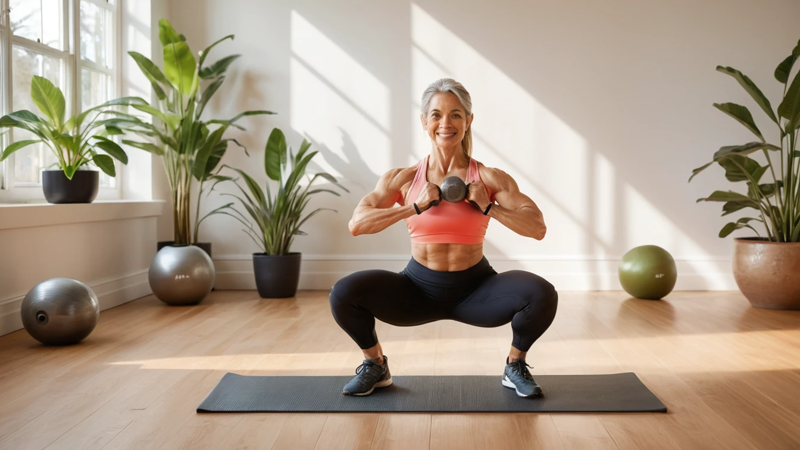
Bodyweight squats can support pelvic floor strength when done correctly. They activate multiple muscle groups while improving stability. The key is to engage your pelvic floor during movement.
Stand with feet shoulder-width apart. Lower into a squat slowly while tightening your pelvic muscles. Exhale as you rise back up. Keep your movements smooth and controlled.
Avoid deep squats in early recovery weeks. Start small and increase gradually as your strength improves.
Bird Dog Exercise For Stability Balance 🐦
The bird dog exercise is great for posture and core strength. It also engages the pelvic floor without excess strain. This makes it safe and effective postpartum.
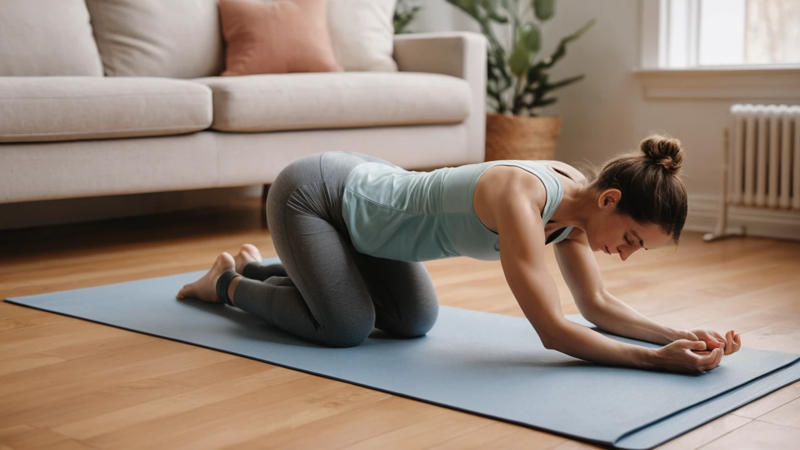
Start on your hands and knees. Extend one arm and the opposite leg slowly. Keep your core tight and pelvic floor engaged. Hold for a few seconds, then switch sides.
This exercise improves coordination and reduces back pain. It also enhances body awareness during recovery.
| Recovery Stage | Recommended Exercises | Frequency |
| 0–2 Weeks | Breathing, Kegels | Daily |
| 2–6 Weeks | Bridges, Tilts, Heel Slides | 4–5 times weekly |
| 6+ Weeks | Squats, Bird Dog | 3–4 times weekly |
Common Mistakes To Avoid Postpartum ⚠️
Many moms unknowingly make mistakes during pelvic floor training. These errors can slow healing or worsen symptoms. Awareness helps you stay safe and effective.
Avoid these common mistakes:
- Holding your breath during exercises
- Overtraining too soon
- Ignoring pain or discomfort
- Doing high-impact workouts early
- Skipping rest days
Slow and steady recovery always wins over rushed workouts.
How Often Should You Do These Exercises 📅
Consistency is the secret to pelvic floor recovery. Doing exercises daily, even for a few minutes, brings better results. Short sessions are more effective than occasional long workouts.
Aim for 10–15 minutes each day. Spread exercises throughout your routine if needed. You can even do Kegels while feeding your baby or resting. Small habits create big progress over time.
Tracking your progress also keeps you motivated. Celebrate small strength improvements along the way.
Nutrition And Hydration For Muscle Healing 🥗
Exercise alone is not enough for postpartum recovery. Your body also needs proper nutrition and hydration. Healing muscles require protein, vitamins, and fluids.
Focus on:
- Lean proteins for muscle repair
- Iron-rich foods for energy
- Calcium for bone strength
- Plenty of water for tissue recovery
Good nutrition supports faster healing and better exercise results. Your body deserves nourishment after childbirth.
| Nutrient | Benefit For Recovery | Food Sources |
| Protein | Muscle repair | Eggs, beans, chicken |
| Iron | Energy boost | Spinach, lentils |
| Calcium | Bone strength | Milk, yogurt |
Emotional Benefits Of Pelvic Floor Recovery ❤️
Strengthening your pelvic floor is not just physical. It also boosts confidence and mental well-being. Many women feel more in control of their bodies during recovery.
Improved strength reduces anxiety about leaks or discomfort. You feel more secure during daily activities. That sense of control improves your mood and self-esteem.
Postpartum recovery is both emotional and physical. Taking care of your body supports your mental health too.
When To See A Pelvic Floor Therapist 👩⚕️
Sometimes exercises alone are not enough. If symptoms persist, a pelvic floor therapist can help. They provide personalized recovery plans based on your body’s needs.
Seek professional help if you experience severe leakage or pain. Ongoing pelvic pressure or core weakness also needs attention. Early treatment prevents long-term complications.
Therapists use safe techniques and guided exercises. Their support can speed up healing and restore strength effectively.
Long-Term Tips For Maintaining Pelvic Floor Strength 🌟
Recovery does not end after a few weeks. Maintaining pelvic floor strength is a lifelong habit. Simple daily practices keep your muscles strong and functional.
Helpful long-term tips include:
- Continue Kegel exercises regularly
- Avoid heavy lifting without core support
- Maintain a healthy body weight
- Practice good posture daily
- Stay active with low-impact workouts
Consistency keeps your pelvic floor healthy for years.
Conclusion
Recovering pelvic floor strength postpartum is a gentle journey, not a race. Simple exercises like Kegels, bridges, pelvic tilts, and deep breathing can rebuild strength safely and effectively. When done consistently, they reduce leaks, improve core stability, and support overall healing. Listen to your body, stay patient, and focus on steady progress. With the right routine, your body can regain strength, confidence, and balance after childbirth.
FAQs
How Soon Can I Start Pelvic Floor Exercises After Birth?
You can usually start gentle exercises within a few days after delivery. Always begin slowly and listen to your body. If you had complications, consult your doctor first.
Are Kegels Enough For Postpartum Pelvic Strength?
Kegels are important but not enough alone. Combining them with bridges, breathing, and core exercises works better. A full routine supports faster recovery.
Can Pelvic Floor Exercises Fix Urine Leaks Postpartum?
Yes, consistent pelvic floor exercises can reduce and often stop leaks. Stronger muscles improve bladder control over time. Results usually appear within a few weeks.
How Long Does Pelvic Floor Recovery Take After Pregnancy?
Recovery time varies for every woman. Many notice improvement within 6–12 weeks of regular exercise. Full strength may take several months.
Is It Safe To Do Squats After Childbirth Recovery?
Yes, but only after basic strength returns. Start with shallow squats and proper pelvic engagement. Avoid heavy or deep squats in early recovery.





Leave a Reply