
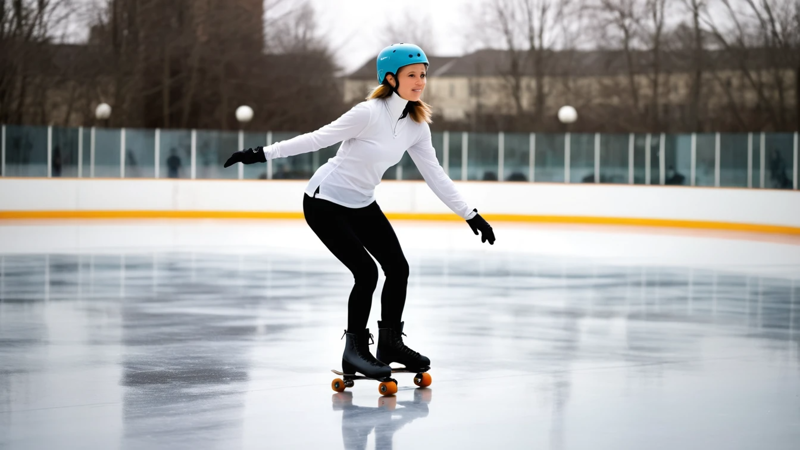
Is skating good exercise? Discover the amazing health benefits, calories burned, muscle gains, and why skating is a fun full-body workout.
Yes, skating is an excellent form of exercise. It improves heart health, burns calories, strengthens muscles, boosts balance, and supports weight loss while feeling fun instead of exhausting. Both roller skating and ice skating offer a low-impact full-body workout that works for beginners and experienced fitness lovers alike.
Is Skating Really Better Than Traditional Workouts? 🤔
Have you ever finished a treadmill workout feeling bored after only ten minutes? Many people struggle to stay consistent with exercise because it feels repetitive. That’s where skating changes everything.
Skating combines fitness with excitement. Instead of staring at gym walls, you move freely while your body naturally works harder. Whether you enjoy roller skating at a local rink or gliding across ice, your body stays active from head to toe. The best part is that many skaters don’t even realize how much exercise they’re getting because they’re having fun. 🎉
For people searching for a workout that feels less like work, skating can be a perfect solution. It mixes cardio, muscle training, coordination, and endurance into one enjoyable activity.
Why Skating Counts As A Full-Body Workout 🏋️
Skating is not just about moving your legs. Your entire body works together to keep you balanced and moving smoothly. Every push and glide activates several muscle groups at once.
Your legs generate power while your core stabilizes your body. Your arms also help with balance and rhythm. This creates a natural full-body workout that improves coordination and strength over time.
Unlike isolated gym machines, skating encourages natural movement patterns. That means your body learns balance, agility, and endurance in a more realistic way. This is one reason fitness experts often recommend skating for long-term physical health.
How Many Calories Does Skating Burn? 🔥
One major reason people ask, “is skating good exercise?” is because they want to know if it helps burn calories. The answer is absolutely yes.
Skating can burn as many calories as running or cycling depending on intensity. Faster skating sessions increase your heart rate and improve fat burning. Even casual skating sessions can help support weight management goals.
| Skating Activity | Calories Burned Per Hour |
| Casual Roller Skating | 250–450 |
| Fast Roller Skating | 500–700 |
| Ice Skating | 400–650 |
| Aggressive Skating | 600–900 |
The exact calorie burn depends on your weight, speed, and effort level. Still, skating consistently can help create a calorie deficit needed for weight loss.
Skating Is Excellent For Heart Health ❤️
Your heart loves activities that keep blood pumping steadily. Skating does exactly that. It raises your heart rate while improving circulation and endurance.
Regular skating sessions strengthen the cardiovascular system. Over time, this may lower blood pressure and improve oxygen delivery throughout the body. Many skaters notice increased stamina after only a few weeks.
Cardio workouts do not always need to feel intense or miserable. Skating offers a more enjoyable way to improve heart health while reducing stress at the same time.
Roller Skating Vs Ice Skating 🧊
Both forms of skating provide strong fitness benefits, but they feel slightly different. Roller skating is often easier for beginners because the surface feels more stable.
Ice skating requires more balance and precision. Since the ice is slippery, your stabilizing muscles work harder. That can make ice skating slightly more demanding physically.
| Feature | Roller Skating | Ice Skating |
| Surface | Solid Ground | Ice |
| Beginner Friendly | More Beginner Friendly | Slightly Harder |
| Balance Requirement | Moderate | High |
| Muscle Engagement | Strong | Very Strong |
| Accessibility | Easier Year-Round | Seasonal For Many |
Both options can become excellent cardio workouts. The best choice depends on your personal preference and access to skating spaces.
What Muscles Does Skating Work? 💪
Skating targets many major muscle groups. Your lower body does most of the heavy work, but your upper body still contributes to movement and balance.
The muscles most activated during skating include:
- Quadriceps
- Hamstrings
- Glutes
- Calves
- Hip flexors
- Core muscles
- Lower back
Your glutes especially benefit from skating because every stride pushes your hips outward. Over time, many people notice improved leg tone and stronger core stability.
Is Skating Good For Weight Loss? ⚖️
Yes, skating can absolutely support healthy weight loss goals. It burns calories, increases endurance, and encourages longer exercise sessions because it feels entertaining.
People often quit workouts when they become boring. Skating reduces that problem by adding excitement and social interaction. The longer you skate, the more calories you burn naturally.
To lose weight effectively with skating:
- Skate consistently 3–5 times weekly
- Increase skating intensity gradually
- Pair skating with healthy eating
- Stay hydrated during sessions
- Mix steady skating with faster intervals
Consistency matters more than perfection. Even shorter sessions can create noticeable results over time.
Skating Is Easier On Your Joints 🦵
High-impact exercises can strain knees and ankles. Running especially becomes difficult for some people with joint pain or previous injuries.
Skating offers smoother movement patterns. The gliding motion reduces pounding pressure on joints compared to running on pavement. That makes skating a strong low-impact cardio option.
Many adults choose skating because it feels gentler while still delivering strong fitness benefits. However, proper form and supportive equipment remain important for safety.
Mental Health Benefits Of Skating 😊
Exercise affects more than the body. It also supports emotional and mental well-being. Skating can improve mood while reducing stress and anxiety.
Movement triggers the release of endorphins, which help people feel happier and more relaxed. Skating outdoors may increase these effects because fresh air and sunlight improve mental wellness too.
Many skaters describe the experience as calming and freeing. The rhythmic movement creates a sense of flow that helps people temporarily disconnect from daily stress.
Why Skating Feels More Fun Than The Gym 🎶
Traditional workouts sometimes feel repetitive. You count reps, watch the clock, and wait to finish. Skating changes the experience completely.
Music, movement, speed, and social interaction make skating enjoyable. Instead of forcing yourself through a workout, you naturally stay active longer.
Fun matters more than many people realize. When exercise becomes enjoyable, consistency improves dramatically. That consistency leads to better long-term fitness results.
Can Beginners Use Skating As Exercise? 🛼
Absolutely. Beginners may feel awkward during the first few sessions, but improvement comes quickly with practice.
Start slowly and focus on balance before speed. Protective gear helps increase confidence while reducing fear of falling. Most people gain basic comfort within a few skating sessions.
Helpful beginner tips include:
- Wear a helmet and pads
- Practice on smooth surfaces
- Bend your knees slightly
- Keep your body relaxed
- Start with short sessions
Building confidence slowly creates a safer and more enjoyable learning experience.
How Often Should You Skate For Fitness? 📅
The ideal skating schedule depends on your goals. For general fitness, skating three times weekly often works well.
Weight loss or endurance goals may require longer or more frequent sessions. Beginners should allow rest days between sessions to prevent soreness and fatigue.
| Fitness Goal | Recommended Skating Frequency |
| General Health | 3 Times Weekly |
| Weight Loss | 4–5 Times Weekly |
| Muscle Endurance | 4 Times Weekly |
| Casual Recreation | 1–2 Times Weekly |
Even moderate skating sessions provide noticeable health benefits over time.
Skating Improves Balance And Coordination ⚡
Balance naturally declines with age if it is not practiced regularly. Skating forces your body to constantly stabilize itself during movement.
This improves coordination, body awareness, and reflexes. Stronger balance can also help reduce fall risk later in life.
Athletes often use skating drills to improve agility because skating trains quick directional changes and body control. These benefits transfer into many sports and daily activities.
Is Skating Good Exercise For Adults Over 40? 👟
Yes, many adults over 40 enjoy skating because it combines low-impact cardio with mobility training. It helps maintain muscle tone and cardiovascular fitness without excessive joint stress.
Skating can also improve flexibility and posture. Staying active becomes increasingly important with age, and enjoyable workouts are easier to maintain consistently.
Adults returning to skating after many years often rediscover how fun and energizing it feels. Starting slowly and using proper protective gear is key for comfort and safety.
Common Mistakes New Skaters Make 🚫
New skaters often try moving too fast too soon. This creates frustration and increases fall risk. Learning proper technique matters more than speed early on.
Another common mistake is standing too stiffly. Relaxed knees and loose posture improve stability significantly. Fear often causes beginners to tense up unnecessarily.
Avoid these beginner mistakes:
- Wearing poorly fitted skates
- Looking down constantly
- Skating too aggressively early on
- Ignoring warm-ups
- Skipping safety gear
Patience and consistency lead to smoother progress.
Indoor Vs Outdoor Skating 🌳
Indoor skating rinks offer smooth surfaces and controlled conditions. This makes them ideal for beginners learning balance and technique.
Outdoor skating feels more adventurous and visually stimulating. Parks and trails provide fresh air while adding slight terrain variation for a greater challenge.
Both options support fitness goals effectively. Many skaters enjoy combining indoor practice with outdoor recreational skating for variety.
Does Skating Build Muscle Tone? 💥
Skating may not create bodybuilder-sized muscles, but it definitely improves muscle tone and definition. The repeated pushing motion strengthens and shapes the lower body naturally.
Your core also becomes stronger because it constantly works to stabilize your body during movement. Over time, many skaters notice firmer legs and improved posture.
Because skating combines cardio with resistance-like movement, it supports lean muscle development while helping reduce body fat.
Best Safety Tips For Healthy Skating 🛡️
Safe skating allows you to stay active consistently without unnecessary injuries. Protective equipment should always be part of your routine.
Important safety habits include:
- Wear a certified helmet
- Use wrist guards and knee pads
- Stretch before skating
- Stay hydrated
- Skate in safe environments
- Replace damaged wheels or blades
Confidence grows naturally when you feel protected and prepared.
Why Kids And Teens Love Skating 🎉
Skating gives young people exercise without making fitness feel forced. Kids stay active while developing coordination, confidence, and social skills.
Unlike screen-heavy activities, skating encourages movement and outdoor play. Parents often appreciate that skating keeps children physically active while still feeling entertaining.
Many lifelong fitness habits begin with enjoyable activities during childhood. Skating can become one of those healthy lifelong hobbies.
Conclusion 🛼
So, is skating good exercise? Without question, yes. Skating delivers cardio benefits, strengthens muscles, improves balance, supports weight loss, and boosts mental wellness while staying fun and engaging.
Whether you prefer roller skating or ice skating, both provide a powerful full-body workout that feels far less boring than many traditional gym routines. The key is consistency, proper safety habits, and enjoying the process. When exercise feels exciting, staying active becomes much easier.
FAQs
Is Roller Skating Good Exercise For Belly Fat?
Yes, roller skating can help reduce belly fat over time. It burns calories and improves overall fat loss when combined with healthy eating habits. Consistent skating sessions work best for visible results.
Does Ice Skating Count As Cardio Exercise?
Yes, ice skating is an excellent cardio workout. It raises your heart rate while improving endurance and circulation. Longer sessions can significantly strengthen cardiovascular fitness.
How Long Should Beginners Skate Daily?
Beginners should start with 20 to 30 minutes daily. Short sessions help build balance and confidence safely. You can gradually increase time as your endurance improves.
Is Skating Better Than Running For Joints?
Skating is generally easier on joints than running. The smooth gliding motion reduces repeated impact stress on knees and ankles. Many people with joint discomfort prefer skating for this reason.
Can Skating Tone Legs And Glutes?
Yes, skating strongly activates leg and glute muscles. Regular skating sessions help improve muscle tone and lower-body strength. Consistency produces the best visible results.






Leave a Reply